Case study
Urgently - AI Platform for Roadside Assistance and Dispatch Operations
A high-load roadside assistance platform with digital service requests, real-time dispatch, provider tracking, technician mobile apps, analytics, pricing, and API integrations.
- Year
- 2021
- Client
- Urgently
- Role
- Senior Backend Engineer
Description
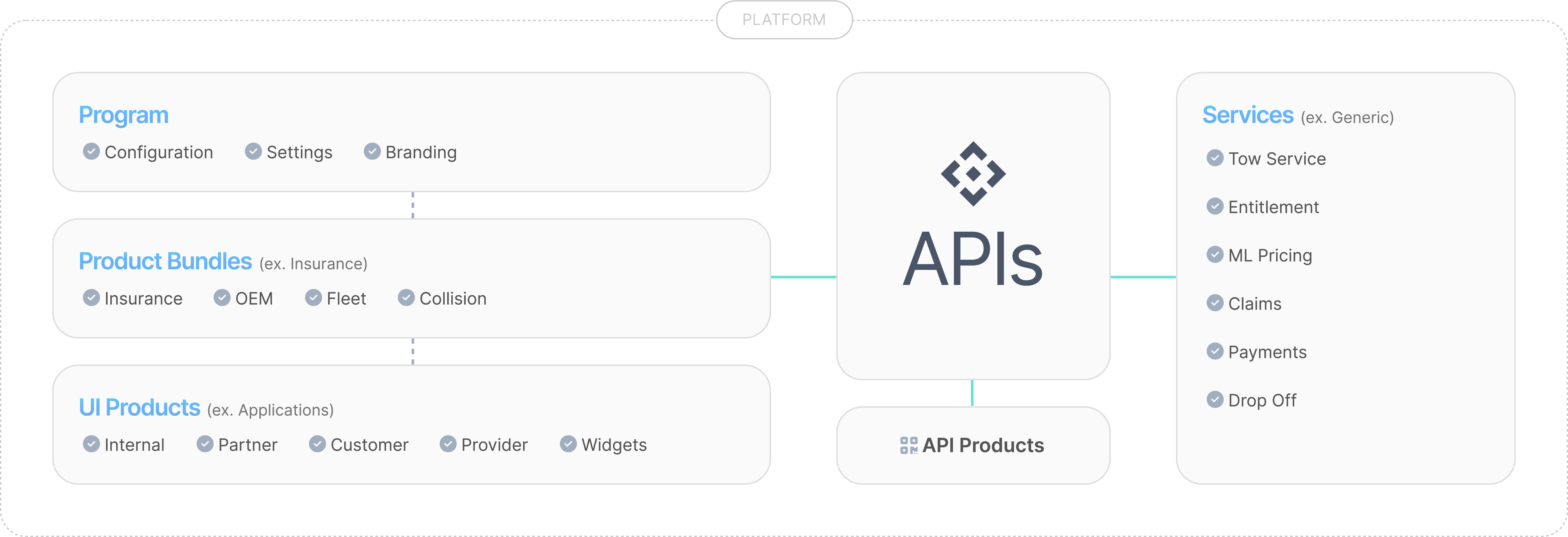
Urgently is a technology platform for roadside assistance that connects customers, service providers, dealerships, insurance companies, fleet operators, and partner systems. The platform supports digital service creation, provider matching, real-time tracking, mobile tools for technicians, customer notifications, dashboards, analytics, dynamic pricing, web portals, and REST APIs for third-party integrations.
Task
The platform operated in a domain where speed and accuracy were critical: customers expected real-time roadside help, while the system had to quickly match providers, calculate ETAs, update statuses, and synchronize data across web, mobile, and partner APIs. Key technical challenges included high load on dispatch APIs, unstable external integrations, delayed location updates, race conditions in service statuses, complex pricing logic, limited incident observability, and secure handling of personal data, location data, and vehicle information.
Solution
Strengthened the backend architecture with asynchronous processing, queues, event-driven flows, and reliable API contracts. Optimized dispatch workflows for service statuses, provider assignment, ETA updates, cancellations, reassignment, and real-time updates. Added idempotency for critical operations, stricter validation, role-based access control, audit logs, and API protection. For analytics and operational dashboards, optimized aggregations, moved heavy calculations into background jobs, and improved monitoring for problematic cases, provider delays, and integration failures.
Results
The platform became more stable under a high volume of concurrent service requests, dispatch workflows became faster and more predictable, and customers received clearer real-time tracking. The risk of conflicting statuses and duplicate operations was reduced, partner integrations became more reliable, incident diagnostics improved, and the system gained a stronger foundation for AI-driven routing, dynamic pricing, and service performance analytics.